Southeast Asia's festivals, season by season
The region's festivals are worth building a trip around, if you plan for the closures and crowds. A season-by-season guide from Songkran to Nyepi.
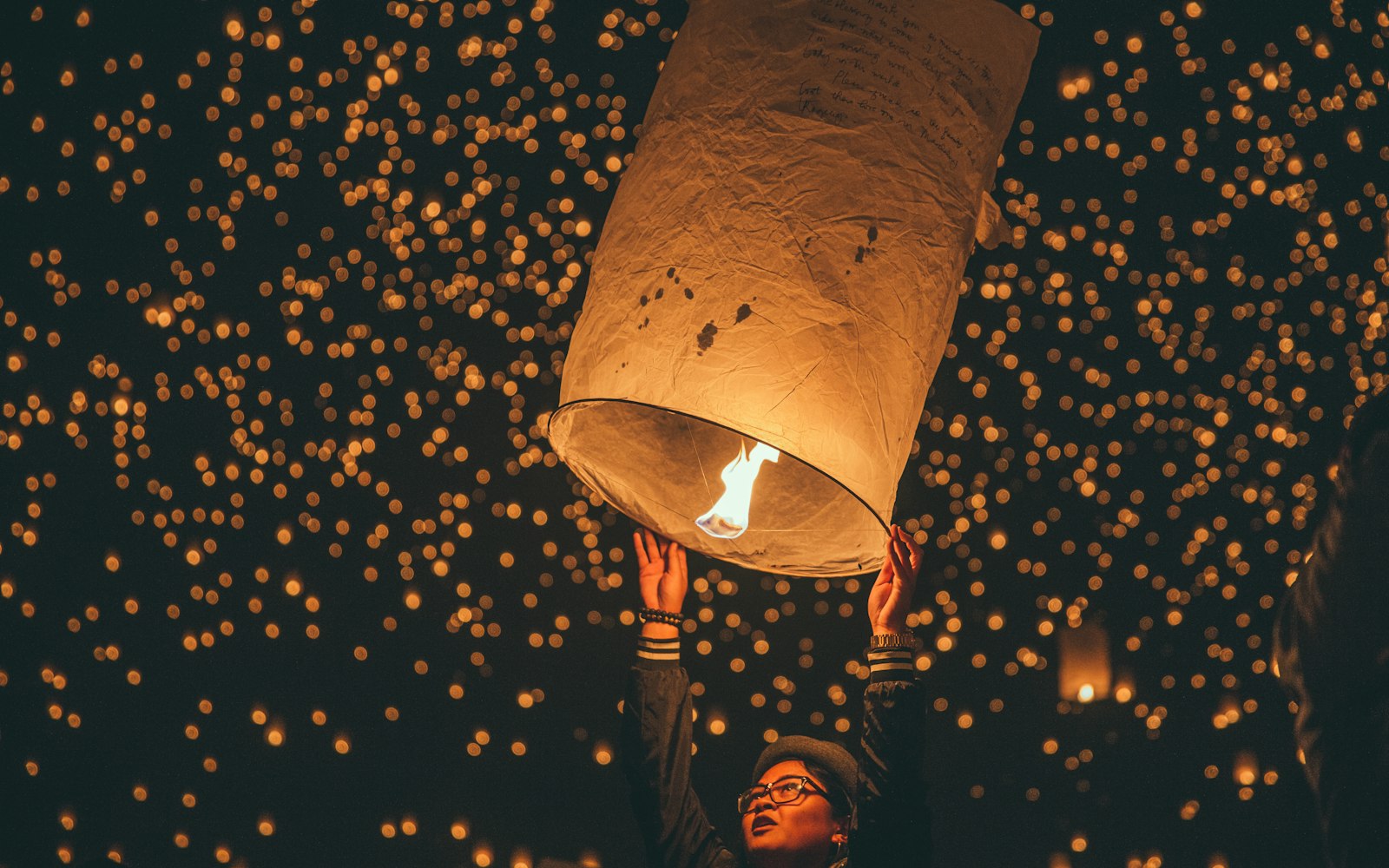
Somewhere in Southeast Asia tonight there is a procession. Maybe it is a river lit with floating candles, or a street where strangers are soaking each other to the skin, or a quiet island where every light has gone dark on purpose. The region does festivals at full volume, and the best can reorganize an entire trip around a single afternoon.
That is the opportunity and the warning in one. A festival can be the finest day of your journey or the reason your bus is full, your hotel costs far more than usual, and every shop you wanted to visit is shut. The difference is knowing what you are walking into and planning for it.
A note on dates
Start with the calendar, because it will not sit still. Many of the region’s biggest celebrations follow lunar or religious calendars rather than the fixed Western one, so they land on different days each year and can drift by weeks. Think in seasons and month ranges, then confirm the exact dates from an official or local source before you book anything you cannot change.
Ramadan is the clearest example of a date that moves. The Islamic month of fasting shifts earlier each year, so over time it travels through every season, from the dry months into the rains and back. Hari Raya, the celebration that closes it, moves with it. If your trip touches Malaysia, Indonesia, or Brunei, check where Ramadan falls that year rather than assuming. Our guide to the best time to visit Southeast Asia helps you line up weather, crowds, and the festival calendar before you commit.
Spring and the hot season
The first stretch of the year is the region’s drier, cooler window, and it tips into real heat by around April.
In January and into February, depending on the lunar calendar, Thaipusam draws enormous Hindu crowds in Malaysia and Singapore, centered on the limestone caverns of Batu Caves just outside Kuala Lumpur. Devotees climb the long stairway carrying kavadi, some with skewers through the skin, in an act of devotion that is genuinely moving. Around the same time the Philippines throws itself into fiesta season, and Ati-Atihan in Kalibo turns the streets into days of drumming, soot-darkened faces, and the chant of “Hala Bira.”
Then the heat arrives, and with it Songkran, the Thai new year, around April. It is famous now as a nationwide water fight, and it earns the reputation. Expect to be soaked in Chiang Mai’s moat district or on the streets of Bangkok for days. Underneath the splashing it is still a new year of temple visits and washing elders’ hands, so the water is meant kindly. Around May much of the Buddhist region marks Vesak, the holy day tied to the Buddha’s birth, enlightenment, and passing. It is the quiet counterweight to Songkran, built on candlelit temple processions and merit-making rather than mayhem.
The green and wet months
The middle of the year brings the rains. This is the green season, lush and much cheaper, with thinner crowds, and the honest trade is near-daily downpours, the odd flooded street, and boat trips cancelled by bad weather.
The rains taper toward the end of the year, and the region answers with water and light. Around November, Thailand celebrates Loy Krathong, when people float small candlelit rafts of banana leaf and flowers to carry away the past year’s misfortune. In the north it overlaps with Yi Peng, the Lanna lantern festival, when countless glowing khom loi rise into the sky. It is at its most beautiful in Chiang Mai, around the old city and the Ping River, though the ticketed mass-release events and the free riverside ones are very different, so read up before choosing. Cambodia marks the same season with Bon Om Touk, the water festival that celebrates the moment the Tonle Sap river reverses its flow, with long-boat races and huge crowds along the Phnom Penh riverfront.
Festivals that need planning
A few celebrations are less something you attend than something you survive gracefully, and they need real logistics.
Lunar New Year is the big one. Across the Chinese communities of Singapore and Malaysia, and as Tet in Vietnam, it falls around late January or February and it effectively closes things down. Families travel home in enormous numbers, so trains, buses, and flights sell out and prices climb, and many restaurants and shops shut for days, especially in Vietnam. It can be a warm time, but book transport and rooms far ahead and expect a slower town rather than a busy one.
Bali’s Nyepi is stranger and stricter. The Balinese day of silence, around March, is a full day when the island stops. No going out, no lights at night, no traffic, and, crucially, no flights, because even the airport closes for the day. If you are on Bali for Nyepi, you stay inside your accommodation and plan arrivals and departures around the shutdown, with the noisy ogoh-ogoh effigy parades falling the night before.
How to be a good guest
Showing up respectfully is most of the job. Dress modestly at temples and religious sites, cover shoulders and knees, take your shoes off where asked, and never climb on or pose carelessly with Buddha images. Our Southeast Asia temple etiquette guide covers the specifics worth knowing before you go.
During Ramadan, be considerate in Muslim-majority areas. Many people are fasting from dawn to dusk, so avoid eating, drinking, or smoking openly on the street in daylight, dress a little more conservatively, and stay patient when daytime service runs slow. The reward comes after sunset, when the breaking of the fast fills night markets and Ramadan bazaars with wonderful food. At the water festivals, everyone is a target and that is the point, but seal your phone in a waterproof pouch and keep your good humor. Ask before photographing people mid-worship, and remember that what is a spectacle to you is a sacred day to them.
Build a trip around one of these if you can, because a good festival is a shortcut to the region’s heart. Just arrive with your dates confirmed, your rooms booked early, and your expectations set for closures and crowds, and you will get the celebration without the headache.