Two weeks in Southeast Asia: three routes that work
Two weeks is enough for one country done well or two neighbors without rushing. Three realistic routes across the mainland and the islands, with pacing tips.
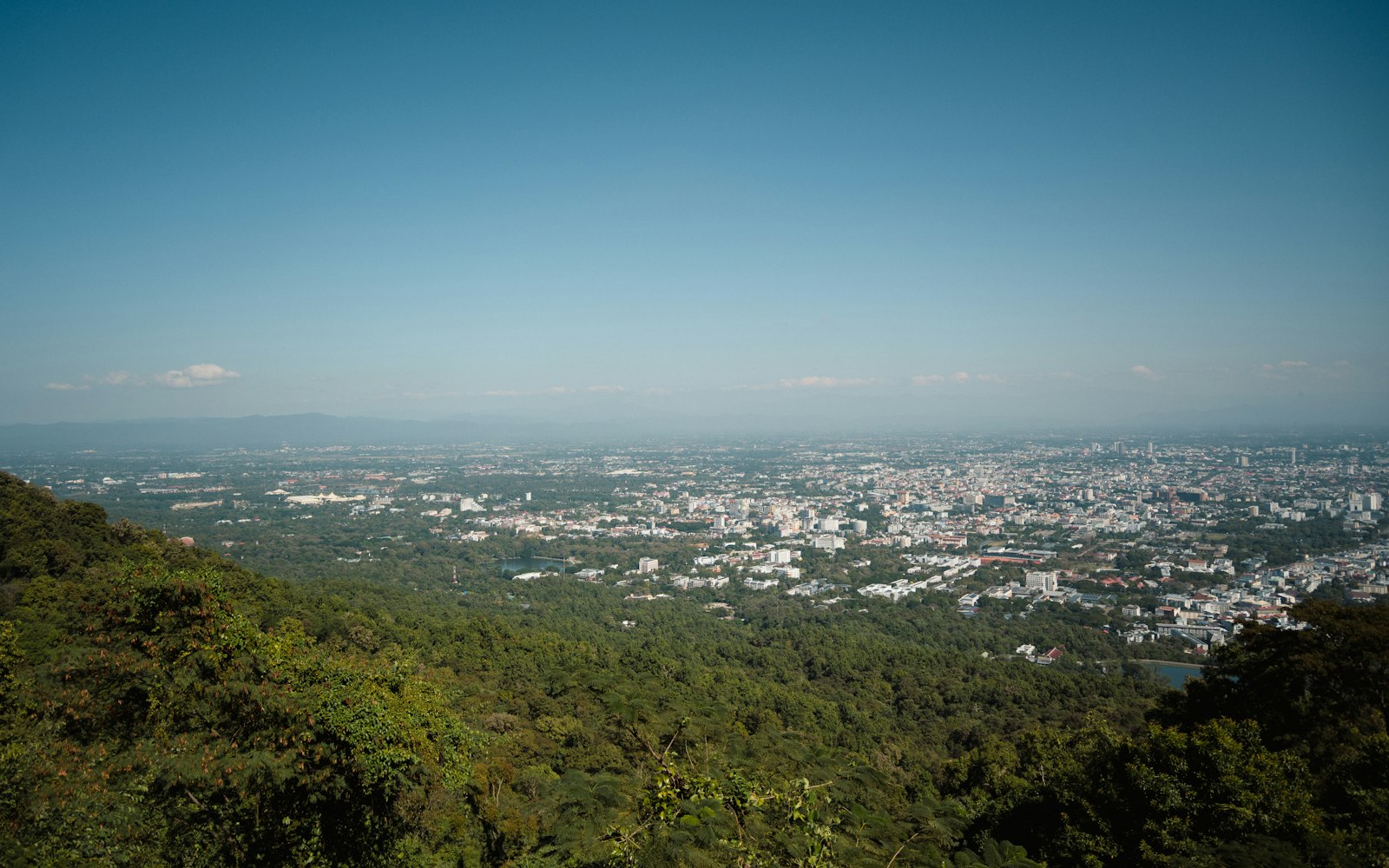
Two weeks feels generous until you unfold a map of the region. Six countries fan out across the page, each with a coastline you want and a mountain town everyone raves about, and the temptation is to touch all of it. That is how people end up spending their holiday in departure lounges and on overnight buses, arriving everywhere tired and leaving nowhere satisfied.
The better instinct is to shrink your ambition on purpose. Two weeks is plenty to see one country properly, or to pair two neighbors at a walking pace. It is not enough to do the whole region, and pretending otherwise is the most common mistake first-timers make.
How to think about two weeks
Go deep, not wide. That is the whole philosophy, and it survives contact with almost every itinerary you will be tempted to build. In practice it means a few firm rules.
Give every stop at least two to three nights. One night somewhere means you arrive in the afternoon, eat dinner, sleep, and leave before the place has told you anything true about itself. Three nights lets you have a slow morning, a day trip, and an evening with no plan at all, which is usually when the trip actually happens.
Put one travel day between stops and treat it as a real day, not a free one. Getting from a city to a beach or a mountain town in this part of the world eats hours you did not budget for, between the transfer to the airport, the flight, and the ride into town on the far side. Our rule of thumb is to write off the whole day and be pleasantly surprised if it comes in shorter.
Finally, leave a buffer. Tropical weather does not consult your calendar, a ferry gets cancelled, a flight slides. If your plan only works when nothing goes wrong, it is not a plan. Building in a loose day or two is the difference between an adjustment and a ruined week. For the mechanics of moving between all these places, our guide to getting around Southeast Asia is worth reading before you book anything.
Route 1: Thailand and a neighbor
This is the classic first trip, and it earns the reputation. Start with a few nights in Bangkok, which rewards more time than people give it. The temples and the river are the postcard, but the city really lives in its street food, its late markets, and its unglamorous canals. It is hot, loud, and snarled with traffic, so plan around the heat and use the elevated trains rather than fighting the roads.
From there, fly north to Chiang Mai, a smaller, greener city ringed by hills, old temples, and cooking schools. It is the natural counterweight to Bangkok: slower, cooler in the evenings, easy to walk. One honest caveat is the burning season in the dry months, when farmers clear fields and the air quality drops sharply. Check current conditions before you commit to those weeks.
Then comes the fork, and it defines the trip. Cross into Laos for Luang Prabang if you want to downshift entirely: a riverside town of monasteries, morning alms, and slow afternoons, small enough to feel almost private. Or cross into Cambodia for Siem Reap if temples are the reason you came, because it is the base for the vast complex of Angkor. Choose Laos for calm, Cambodia for scale and ambition. Both are a short flight from Chiang Mai, and trying to do both in one two-week trip is exactly the overreach this article is arguing against.
Route 2: Vietnam, top to bottom
Vietnam is long and narrow, which makes it perfect for a single country done in a line. Begin in Hanoi in the north, a dense, atmospheric capital where the Old Quarter’s tangle of lanes is the whole point. Give it a couple of nights, then add an overnight cruise on Halong Bay, where you sleep aboard a boat among the limestone karsts. It is deservedly popular and therefore busy, so book a reputable operator rather than the cheapest berth, and accept that you will share the view.
Fly to the center next, landing at Da Nang and basing yourself in Hoi An, a lantern-lit former trading port that is one of the most charming towns in the country. Da Nang gives you the beach and the airport; Hoi An gives you the old streets and the tailors. The town gets crowded after dark and the riverfront tips toward tourist theater, so wander out to the surrounding rice fields and quieter lanes to balance it.
Finish in Ho Chi Minh City in the south, the country’s fast, commercial engine, all motorbikes and coffee and energy. What ties this route together is the run of short domestic flights up and down the coast, which are cheap and frequent and save you the punishing overland alternative. The trade-off is a lot of airports in two weeks, so keep each stop to a genuine three nights rather than slicing them thin.
Route 3: a city and the islands
The last route pairs an easy urban landing with real beach time. Start in a gateway city that removes all friction: Singapore for hawker centers, gardens, and a soft introduction to the region, or Kuala Lumpur for a rougher, cheaper, more chaotic version of the same idea. Two or three nights is enough before the sand calls.
Then fly to the water. Choose Bali if you want one island that does everything, from surf and rice terraces to temples and long lazy dinners, aware that its south is heavily developed and can feel like the whole world had the same plan. Or choose the Philippines and route through Palawan to El Nido, where the reward is island-hopping among towering cliffs and lagoons, and the cost is a bumpier journey and thinner infrastructure.
Here is the honest note that trips people up: maritime Southeast Asia almost never connects the way a map suggests. You do not island-hop between countries overland. Getting from a mainland city to Bali or Palawan means a flight, sometimes two, and then often a boat at the end. Plan for the flying and the beaches feel effortless. Assume you can do it by bus and you will lose days.
Pacing, seasons, and booking order
The single most useful thing you can do is sequence your route so you are not landing in the wrong monsoon. The region does not share one weather system: when one coast is being rained on, another is often dry and bright. Broadly, the drier, more comfortable stretch across much of the mainland runs roughly November to February, while the islands each keep their own calendar. Read our best time to visit Southeast Asia guide and let the seasons decide your order, not the other way around. It is entirely normal to run a route in reverse to chase better skies.
Then book in this order, and only this order. Lock your long-haul flights and your fixed dates first, because everything hangs off them. Next, book the internal flights, the ferries between your major stops, since those sell out and set the skeleton of the trip. After that, reserve only your first and last hotels, the one you collapse into on arrival and the one near the airport at the end. Leave the middle deliberately loose. That looseness is not indecision; it is where the trip gets good, the extra night in a town you did not expect to love, the beach you decide to stay on.
Two weeks will not show you Southeast Asia. It will show you one corner of it, properly, and send you home already planning the next corner. That is the right outcome, and it is a far better souvenir than a blur of half-seen places.