A first-timer's guide to Southeast Asian street food
Street food is the best eating in the region, and it is safe once you read a stall the way locals do. What to try, country by country, and how to order.
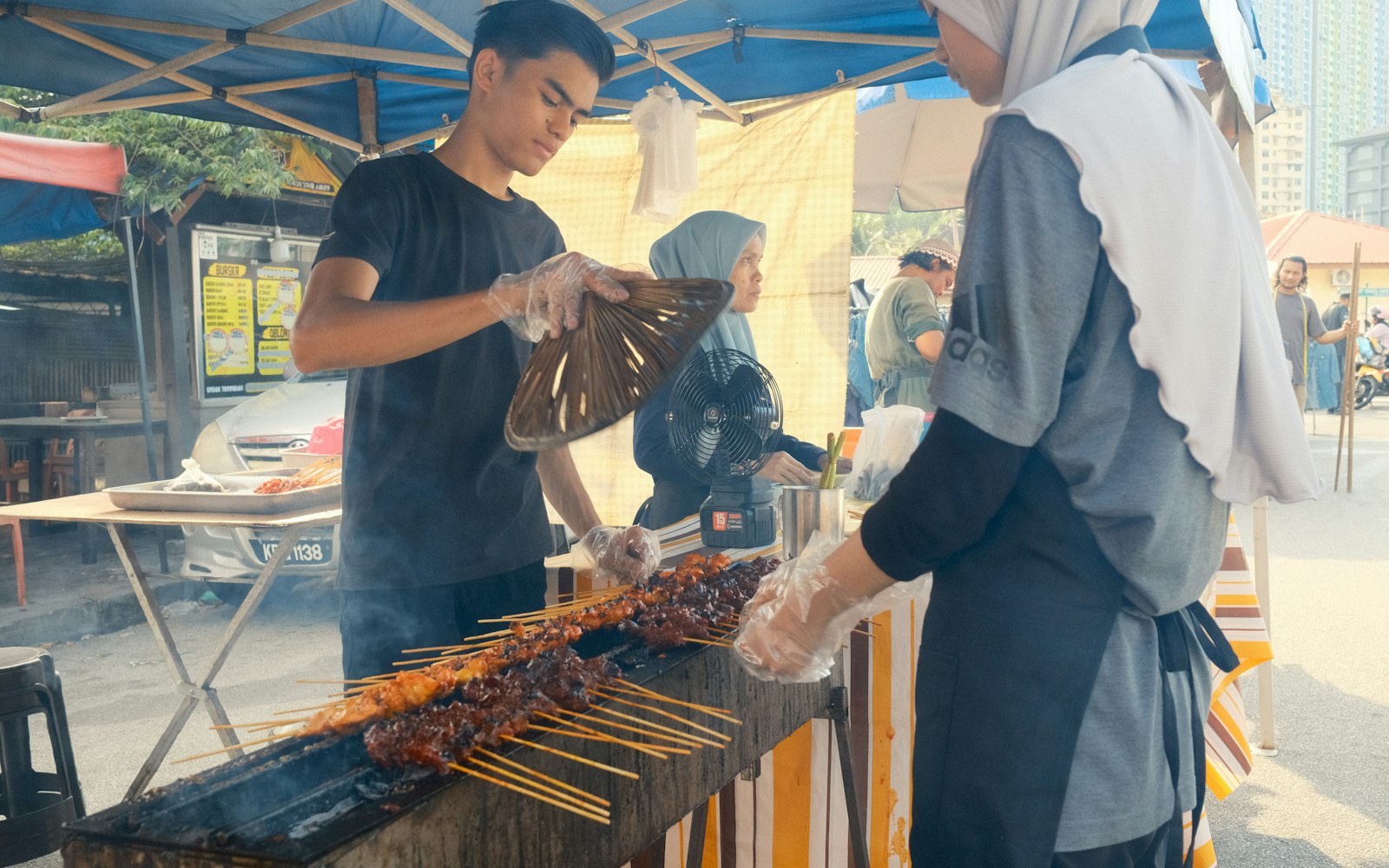
The best meal you eat in Southeast Asia will probably come off a cart, served on a plastic stool with the bowl balanced on your knees. Street food here is not a budget compromise. It is where the region cooks with the most confidence, often for a few coins, and where families have perfected one dish over a generation.
If the words “street food” make you picture a stomach bug, relax. Locals eat this way every day and stay fine, because they read a stall before they sit down. Learn to read it the same way and you get the best and cheapest eating in the region, with very little risk.
How to read a stall
A good stall tells you it is good before you taste anything. Look for high turnover: a queue of office workers, drivers and grandmothers means the ingredients are fresh because nothing sits around. A long local line at lunch is almost always a safer bet than a quiet, tourist-facing counter with laminated menus in five languages.
Watch how the food is made. You want it cooked to order in front of you, the wok flaring or the skewers turning over coals, not scooped from a tray that has been warm since morning. And trust specialists. The cart that does one thing, one noodle soup or one grilled fish, tends to do it far better than the stall offering forty items. One thing done well is the whole philosophy.
The downside is worth naming: the most famous stalls now draw long waits and sometimes inflated prices, and a few coast on an old reputation. A packed line of locals still beats a guidebook sticker every time.
Eating well without getting sick
If your stomach is cautious, ease in rather than diving straight into the spiciest, rawest thing on day one. Give your system a few days to adjust.
A few simple habits cover most of the risk:
- Eat food that is hot and freshly cooked, straight off the heat. Heat is your friend.
- Favour fruit you peel yourself, like bananas, mangoes and mangosteen, over pre-cut fruit that has sat in the sun.
- Drink bottled or filtered water, and use it for brushing your teeth too if you are being careful.
- Be sensible with ice early on. In cities, the tube ice with a hole through the middle is factory-made and usually fine, but if your gut is still settling, skip it for the first few days.
- Raw herbs and salads are a joy, but ease into them once you trust a place.
None of this means eating timidly. It means eating like a local who plans to be back tomorrow.
What to eat, country by country
In Thailand, start with the classics and learn why they are classic. Pad thai done well is smoky and balanced, not sweet gloop. Som tam, the pounded green papaya salad, arrives sour, salty and fierce with chili. Boat noodles come in small, dark, intense bowls meant to be ordered two or three at a time. Add grilled pork skewers from a roadside grill and finish with mango sticky rice in the hot season, when the fruit peaks. The night market is Thailand’s natural street-food format, and Bangkok runs on them after dark.
Vietnam eats in the open air from breakfast on. Pho, the beef or chicken noodle soup, is a morning ritual. Banh mi, the baguette sandwich left behind by the French and improved on, is the great portable lunch. Bun cha pairs grilled pork with a bowl of dressing and herbs. Then there is the coffee, thick and strong, poured over ice or, in Hanoi, whipped with egg into the famous egg coffee that tastes closer to dessert than a drink.
Malaysia and Singapore share a delicious cross-cultural table. Char kway teow is smoky stir-fried flat noodles. Laksa is a coconut or sour-tamarind noodle soup that shifts from town to town. Hainanese chicken rice is deceptively plain and quietly perfect. Satay comes with peanut sauce, and roti canai, a flaky flatbread with curry to dip, is worth waking up for. The food-obsessed island of Penang is many travellers’ favourite eating in the region, while Singapore has moved most of its street cooks into clean, organised hawker centres.
Indonesia builds its everyday eating around the warung, the small family food stall. Nasi goreng, fried rice topped with a fried egg, is the reliable staple. Satay turns up here too, often over charcoal. And martabak comes two ways, savoury and stuffed or thick and sweet, folded around chocolate and peanuts for late-night indulgence.
The Philippines grills with real enthusiasm. Street corners fill with smoke from BBQ skewers of marinated pork and chicken. Lechon, whole roast pig with shatteringly crisp skin, is the celebration centrepiece. For dessert, halo-halo piles shaved ice, sweet beans, jelly and ice cream into one cheerful, messy glass.
How markets and hawker centres work
Most stalls run on cash, so carry small notes. Card readers are rare at the cart level.
In a hawker centre or market, seating is communal. You take any free seat, and it is normal to share a table with strangers. In busy Singapore centres, people reserve a seat by leaving a packet of tissues on it, a quirk worth knowing so you neither lose your table nor take someone else’s. You order at each stall separately, carry your own food back, and pay the stall when you collect.
Ordering is easier than it looks. Pointing and smiling gets you a long way, and vendors are used to travellers. If you cannot handle much heat, say “less spicy” or gesture for just a little chili, though be warned that a local “a little spicy” can still catch you out. Sharing several dishes across the table beats ordering one plate each, and it is how the food is meant to be eaten.
Eating vegetarian
Vegetarians and vegans can eat very well here, but with one big caveat: fish sauce and shrimp paste are the background seasoning of the whole region. A dish of “just vegetables” is very often cooked with them, and som tam, laksa and countless stir-fries include them by default.
Learn the local phrase for “no fish sauce, no meat” and use it clearly, and expect that it will not always land. Buddhist vegetarian food, marked in Thailand and elsewhere with a specific yellow-and-red sign, is genuinely animal-free and a reliable fallback. Indian and Chinese-influenced stalls widen your options a lot, from roti canai with dhal to tofu dishes and vegetable curries. Approach it with patience rather than a rigid checklist and you will be fine.
Eat where the locals eat, follow the heat and the queues, and the region opens up one small plastic stool at a time. The best food here was never behind a fancy door. It is out on the street, cheap, unpretentious and waiting.