Ho Chi Minh City
Saigon at full speed: markets, war history, coffee, and food. How to time Ho Chi Minh City, where to base yourself, and the best day trips.
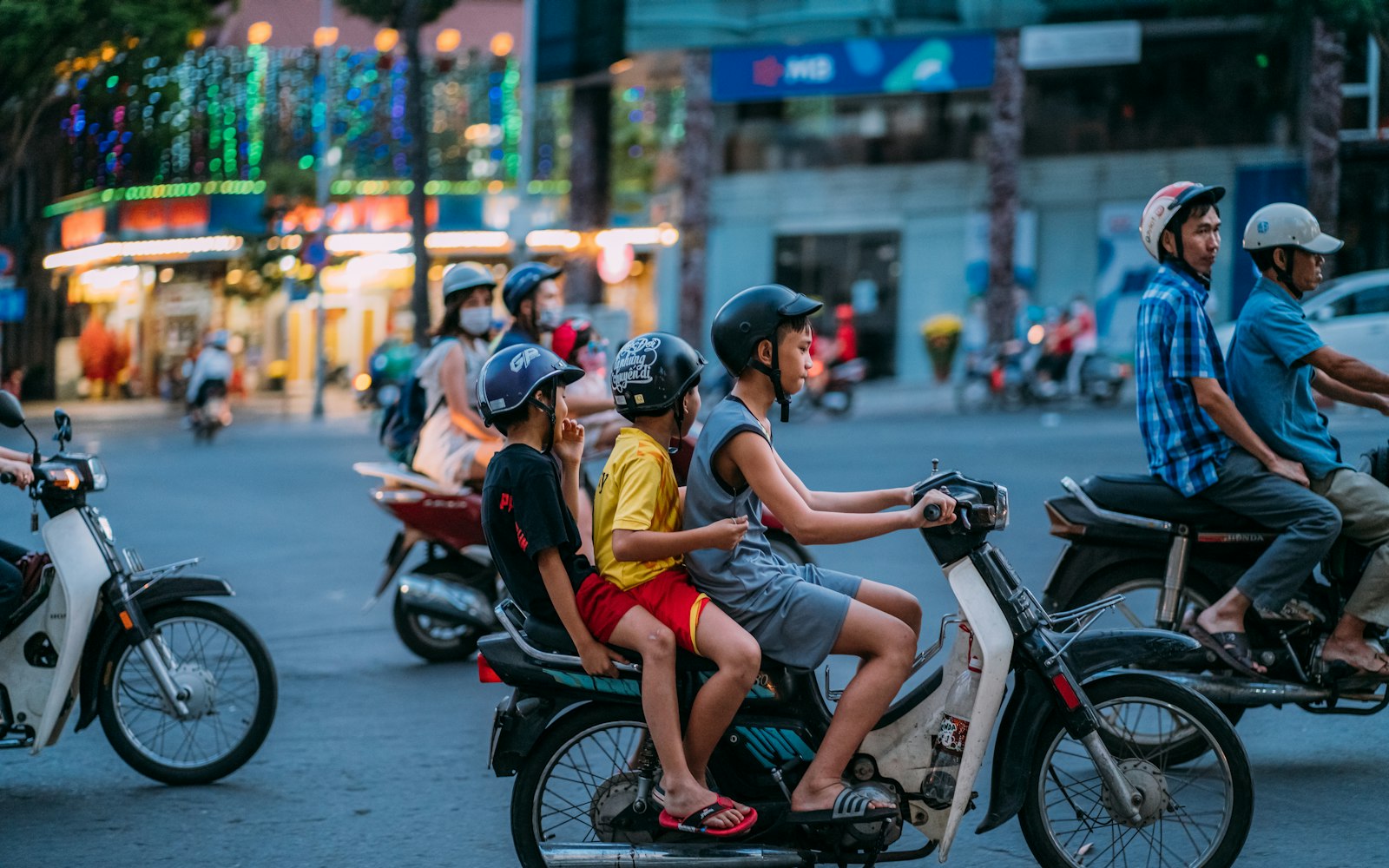
Saigon does not ease you in. Step out of the airport and the city arrives all at once: a river of motorbikes, the smell of grilled pork and diesel, a skyline of glass towers going up beside French-era shophouses. This is Vietnam at commercial full tilt, a place that works hard, eats constantly, and rarely slows down.
The city answers to two names. Officially it is Ho Chi Minh City, renamed after the war that ended in 1975. In daily speech, on shopfronts, and in the way locals talk, it is still Saigon. Both are correct, and you will hear them used interchangeably. What ties them together is a restless energy that makes this the country’s economic engine and its most forward-leaning city.
When to go
The year splits cleanly into two seasons. The dry stretch runs roughly December to April, with warm days, lower humidity by local standards, and the best odds of clear skies. This is peak visiting season for good reason, though it also brings the biggest crowds and higher room rates, especially around the Lunar New Year, when much of the city closes to celebrate with family. Check current dates before you book, because the holiday shifts each year and can catch you off guard.
The wet season, roughly May to November, sounds worse than it usually is. Rain here tends to come as a short, hard afternoon downpour that clears within an hour, not the all-day gray you might picture. Mornings are often bright, streets flood briefly and drain, and prices ease. Bring a light rain layer, plan indoor stops for the early afternoon, and the wet months can be a fine time to visit.
What to do
Most first trips center on District 1, the walkable historic core where the grand colonial buildings, the main shopping streets, and much of the nightlife sit within reach of each other. Start at Ben Thanh Market, the covered bazaar that has anchored the district for over a century. It is touristy and the vendors will haggle hard, so treat the marked prices as an opening bid, but it is still a good crash course in the city’s produce, textiles, and street snacks.
A short walk away, the Reunification Palace sits frozen in the early 1970s, its war rooms and period furniture left much as they were when tanks crashed the gates in 1975. It pairs naturally with the War Remnants Museum, which is the essential stop and a sobering one. The exhibits on the American War and its aftermath are graphic and unflinching, and they will stay with you. Give yourself time, and go in knowing it is a heavy morning rather than a light sightseeing tick.
Then let the city do what it does best, which is feed you. Saigon’s street food is superb and cheap. Look for com tam, the broken-rice plate with grilled pork that is a local staple, and banh mi from a busy cart, the baguette a lingering gift of the French. Slurp hu tieu, the southern noodle soup that comes in dozens of variations, and eat seafood at the sprawling evening spots where you point at what you want. Between meals, the coffee is a revelation: strong, dark, often served over ice with sweet condensed milk. A serious independent cafe scene has grown alongside it, and rooftop bars across the center trade on skyline views and cold beer once the heat lifts.
Where to base yourself
For a first visit, District 1 is the obvious call. You can walk to the major sights, food is everywhere, and getting a late ride back is easy. The trade-off is noise, tourist pricing, and less of the everyday city.
If you want something slightly calmer and more local, look at District 3, just next door. It has leafier streets, excellent neighborhood restaurants and cafes, and a residential feel, while still being minutes from the center. It rewards travelers who like to wander. If you are also heading north later, note that laid-back, lake-ringed Hanoi keeps a very different rhythm, and comparing the two is half the fun.
Getting around
The traffic is the first thing you will need to make peace with. Crossing a busy street means stepping off the curb and walking at a slow, steady pace so the motorbikes can flow around you. Do not stop, do not sprint, and trust the flow. It feels lawless and works better than it looks.
For everything beyond walking distance, use Grab, the ride-hailing app that dominates here. You can book a car in the heat or hop on the back of a Grab bike for a fast, cheap, slightly thrilling shortcut through gridlock. Fares are set in the app, which spares you the negotiation. For the wider regional picture on buses, trains, and flights, our Southeast Asia transport guide covers how the pieces connect.
Day trips
Two trips draw most visitors out of the city. The Cu Chi tunnels, a couple of hours northwest, are the preserved underground network the Viet Cong used during the war. You can crawl through a widened section and see the ingenuity and grimness up close. It is popular, so expect crowds and a fairly packaged experience.
The other is the Mekong Delta, the lush maze of rivers, rice paddies, and floating markets south of the city. Day tours can feel rushed and staged, so if you have the time, an overnight lets you see the delta after the tour buses leave. Both slot neatly into a longer regional trip, and our two-week Southeast Asia itinerary shows where Saigon fits.
Saigon rewards travelers who lean in rather than brace against it. Give it a few days, eat widely, sit with the hard history, and let the motorbikes teach you the rhythm. Few cities in the region feel this alive.
Line up the season with our guide to the best months to visit Southeast Asia, then sort transport withgetting around the region.