Island-hopping in Southeast Asia, planned properly
The islands are the reason many people come, but the sea and the seasons decide where to go. How to plan island-hopping across the region.
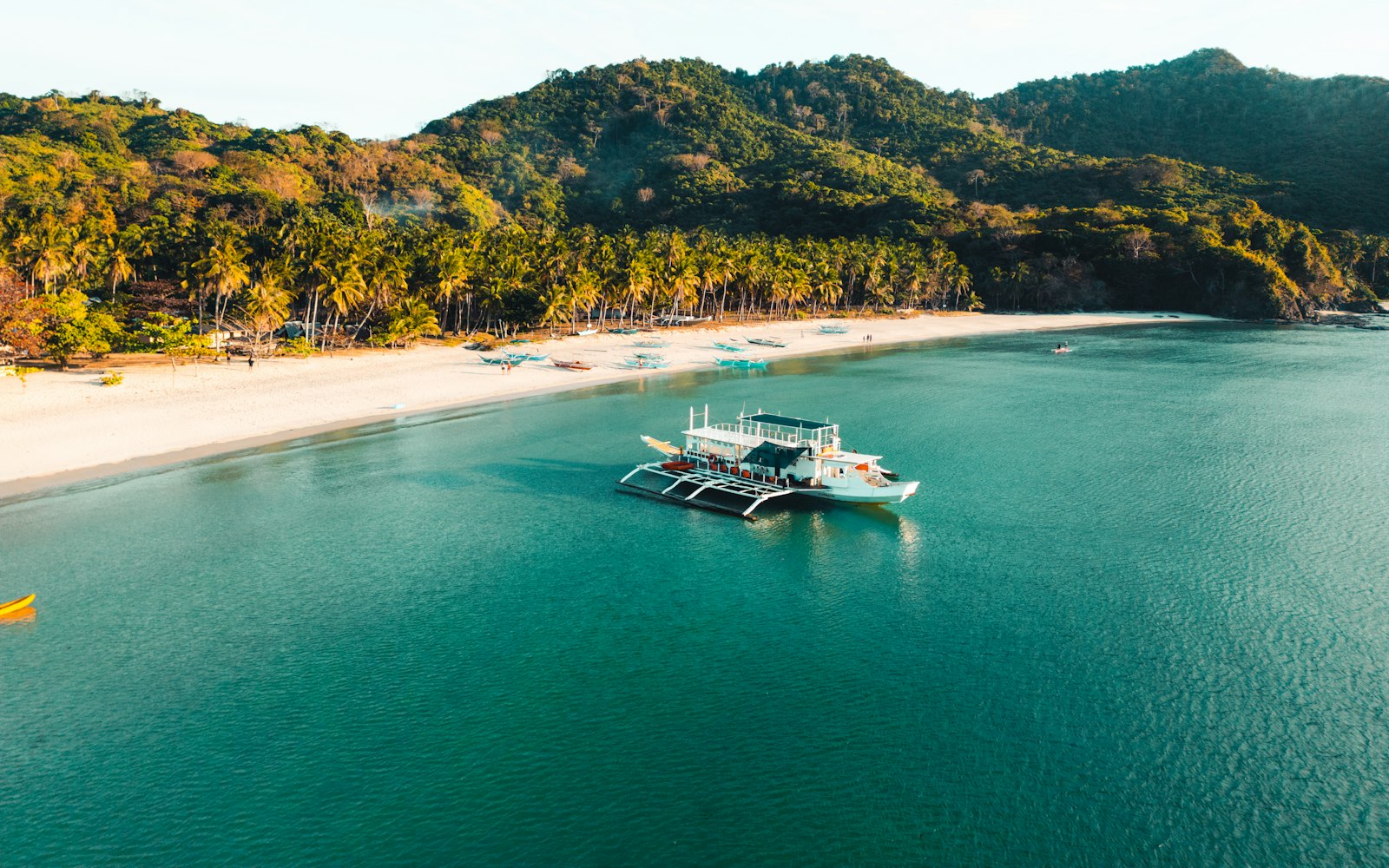
The boat pushes off before the heat builds, and within an hour the mainland is a smudge behind you. Ahead, limestone towers climb straight out of jade water, the engine cuts near a beach with no road to it, and the day opens up. This is the image most people carry home from Southeast Asia, and for a lot of them it is the whole reason they came.
The sea, though, does not perform on demand. A channel that lies glassy in one season heaves gray and choppy in another, and the gap between a brilliant island week and a frustrating one usually comes down to timing rather than luck. Pick the month first, then pick the island.
Where to hop
Four broad island worlds sit within a short flight of one another, and each has its own temperament.
Indonesia is the giant, thousands of islands strung along the equator. Most first-timers start close to Bali: the three Gili Islands off Lombok, car-free and easy, and Nusa Penida just offshore, with its cliff-backed coves and strong currents. Further east, the dragons and pale beaches of Komodo are reached mainly by boat, and far out toward Papua lies Raja Ampat, arguably the finest reef diving on earth and a serious undertaking to get to.
The Philippines is the island-hopper’s country, more sea than land. Palawan is the headline act, with El Nido and its towering bays at one end and Coron, all shipwrecks and lagoons, at the other. Add Cebu for waterfalls and canyons, neighboring Bohol for its odd rounded hills, and Siargao, the surf island that has quietly become everyone’s favorite.
Thailand splits in two. The Andaman coast in the west holds Phuket, Krabi, the Phi Phi group, and the climbers’ cove of Railay. The Gulf coast in the east holds Samui, the party island of Phangan, and Tao, where a lot of travelers earn their first dive certificate. Which coast is calm depends entirely on the month, and that is the single most useful thing to know about Thai islands.
Malaysia is quieter and cheaper, and often overlooked. The Perhentians on the east coast are the postcard, clear shallow water and simple beach huts, while Langkawi in the northwest is bigger and more built up, with duty-free shopping and jungle right behind the sand.
Three ways to island-hop
There are really three ways to do this, and most trips mix them.
The simplest is the day tour from a fixed base. You sleep in one town, join a shared boat each morning, and get dropped back by evening. El Nido and Coron run standardized lettered routes this way, and it is the low-commitment option: you unpack once and let the boats come to you.
The second is true ferry-hopping, moving from island to island with your bag and staying a few nights on each. This is how you string together the Gilis, or a Thai chain, and it rewards a loose plan. Ferry timetables shift with the seasons and sell out in peak weeks, so check current schedules close to your travel dates rather than trusting an old blog, and read our notes on getting around Southeast Asia before you lock in tight connections.
The third is the liveaboard, a boat that becomes your hotel for several nights. This is how most people see Komodo and how serious divers reach Raja Ampat and the remote Andaman reefs, sleeping aboard and waking up somewhere new. It costs more and commits you to close quarters and open water, but it reaches places day boats never can.
The monsoon flip that decides everything
Here is the rule that governs all of it. Two monsoons take turns across the region, and they hit opposite coasts at opposite times.
The southwest monsoon brings wind and swell to west-facing shores through roughly the middle of the year. That is the wetter, rougher stretch for Thailand’s Andaman coast, for much of Indonesia, and for the Philippines. The northeast monsoon then swings around for the drier half of the year and does the same to east-facing coasts, most notably Malaysia’s Perhentians, which largely shut down in the wettest months.
The practical payoff is Thailand’s two-coast trick. When the Andaman side is being battered, the Gulf side is often calmer, and the reverse holds too, so you can chase the settled water across the peninsula. None of these windows are precise, and shoulder seasons are a gamble, so treat month ranges as guidance and confirm with our guide to the best time to visit Southeast Asia before you book flights.
What to pack and how to behave
Island days are hard on gear and on the reef, and a little preparation saves both.
- A dry bag is the one thing you will use every day. Phones, cash, and passports do not survive a wet boat floor.
- Bring reef-safe sunscreen and actually wear it. Many marine parks now ban the oxybenzone kind, and the reef is better for it.
- Carry enough cash. Small islands run on it, ATMs are scarce or empty, and plenty of boat operators and guesthouses do not take cards.
- If you are prone to seasickness, take something before you board, not after the swell starts. Open crossings can be rough even in good months.
- Book boats and rooms directly with operators or your guesthouse where you can. It keeps more money on the island and cuts out the markup.
Behave like a guest underwater too. Do not touch or stand on coral, keep your distance from turtles and mantas, never chase or feed marine life, and refuse any tour that promises to hold a sea creature for your photo. The reefs are the whole attraction, and they are more fragile than they look.
Match the island to the month
Put it together and a plan appears. In the drier turn of the calendar, roughly the cooler months, the Andaman coast, Palawan, and the Gilis are at their best, and this is when most people go, so expect fuller boats and higher prices. In the middle of the year, when the west is stormy, lean toward Thailand’s Gulf islands and Malaysia’s Langkawi, and think twice about the Perhentians. Komodo has its own rhythm, calmer in the drier months, while Raja Ampat rewards those who research its narrow window carefully.
The islands will always be the reason you came. Let the season decide which ones you actually visit, and the sea will meet you halfway.